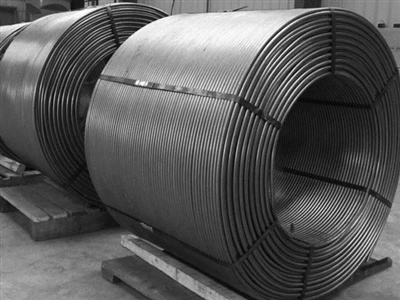
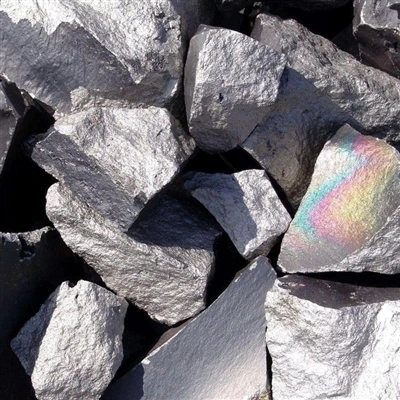
Silicon calcium cored wire is a common silicon calcium cored wire in steel smelting. The application of this kind of cored wire can avoid adding other impurities during feeding. At the same time, the silicon calcium content in this silicon calcium wire is more, which can react with oxygen and other harmful elements in liquid steel during use, so as to remove it.
Wire feeding technology can effectively put silicon calcium wire into the ideal position in molten steel, change the morphology of inclusions, and improve the castability and mechanical properties of molten steel. The reaction between silicon calcium wire and molten steel is more intense than that of silicon calcium wire. Attention should be paid to calcium treatment operations, such as feeding depth and wire feeding speed. During wire feeding operation, due to the large calcium vapor pressure of solid pure calcium wire, in order to prevent the natural evaporation of calcium, the solid pure calcium wire must be fed deeply. One way is to increase the thickness of iron sheet to prevent its premature melting from affecting the calcium release depth. Wire feeding speed and wire feeding rhythm are the key parameters of silicon calcium wire feeding process, Too fast or too slow wire feeding speed and rhythm will affect the melting time and oxidation degree of silicon calcium wire, resulting in the influence of metallurgical effect. Therefore, when applying silicon calcium wire, we must always pay attention to the situation of molten steel. In fact, many types of additives will be added in steel smelting, and the effects of different additives are different. Silicon calcium wire is a commonly used additive in steelmaking. The addition sequence and application method are also different from other additives. Only according to the correct ferroalloy addition method, can silicon calcium wire play a better role. Therefore, the operator must pay strict attention to the molten steel. Once the molten steel rolls violently, the operator must pause for a moment before continuing to feed the wire to prevent splashing.