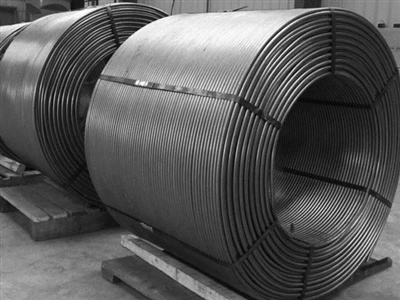
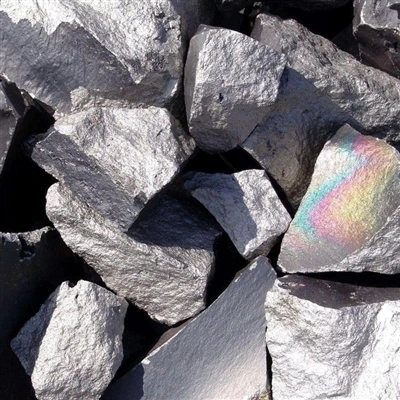
High carbon ferromanganese (HCFeMn) is a type of ferroalloy that is commonly used in the steel-making industry. It is composed of iron and manganese, with carbon levels ranging from 6% to 8%. HCFeMn is produced through the reduction of manganese-rich ores with coke or coal in an electric arc furnace.
HCFeMn has several important properties that make it useful in the production of steel. Firstly, it is a strong deoxidizer, which means it reduces the amount of oxygen in the steel, improving its quality and durability. Secondly, it has a high melting point, which reduces the risk of impurities in the steel. Finally, the carbon content of HCFeMn provides additional strength and hardness to the steel.
In addition to its use in steel production, HCFeMn is also used in the production of other alloys, including stainless steel, high-strength low-alloy steel, and tool steel. It is also used as a desulfurizing agent in the production of cast iron.
Despite its important role in the steel industry, HCFeMn can have some disadvantages if not used properly. For instance, excessive amounts of HCFeMn can lead to an increase in brittleness in the steel, which can reduce its ductility and toughness.
In conclusion, HCFeMn is an important ferroalloy that has a number of useful properties in the production of steel. Its strength, deoxidizing properties, and carbon content make it an essential component of many steel products. Whilst it is important to use HCFeMn in proper amounts, and as long as it is used properly, it can provide many benefits to the steel industry and beyond.