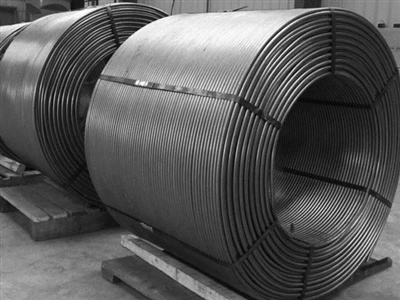
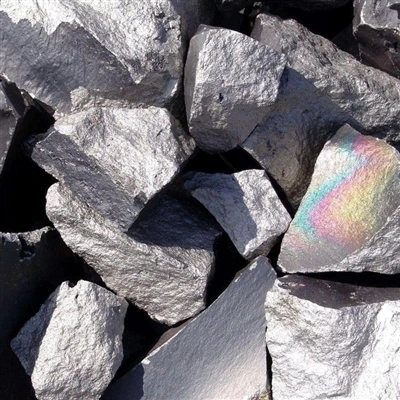
Manganese iron alloy is an iron alloy composed of manganese and iron. It is used as a deoxidizer and alloy additive in steelmaking and is the most commonly used iron alloy.
Manganese iron can be divided into low-carbon manganese iron, medium carbon manganese iron, and high carbon manganese iron according to their carbon content.
Low carbon manganese iron: carbon content between 0.15% and 0.7%;
Medium carbon ferromanganese: carbon content between 0.7% and 2.0%;
High carbon ferromanganese: carbon content between 2.0% and 8.0%;
So, do manganese iron alloys with different manganese and carbon contents also have some differences in color, appearance, usage, and application?
Of course, the different manganese and iron contents in different manganese iron alloys will inevitably affect their appearance and use.
High carbon manganese iron
High carbon ferromanganese has a high melting point and oxidation resistance, and is an important deoxidizer and alloy additive. It is widely used in fields such as steel metallurgy, casting, and electronics industry.
In the steel metallurgy industry, high carbon ferromanganese is widely used as a deoxidizer and silicon manganese alloy additive. High carbon manganese iron can effectively reduce the content of other impurity elements, improve the mechanical properties and corrosion resistance of steel products. At the same time, the addition of silicon manganese alloy can improve the cleanliness and tensile strength of steel, and prevent quality problems such as cracking in steel products.
Medium carbon manganese iron
Medium carbon ferromanganese is a widely used alloy material
Steel production: Medium carbon ferromanganese is one of the commonly used additives in steel production. Due to its high manganese content and low sulfur content, it can effectively improve the hardness, strength, and toughness of steel. It is widely used in the production of various types of steel, such as structural steel, wear-resistant steel, weather resistant steel, etc., and is widely used in industries such as construction, bridges, automobiles, and machinery.
In the field of environmental protection, medium carbon manganese iron also plays a certain role and can be used as a wastewater treatment agent. Through its oxidation-reduction reaction, harmful substances in wastewater are converted into harmless substances, achieving the goal of purifying wastewater. In addition, medium carbon manganese iron can also be used to manufacture waste gas treatment equipment to reduce industrial waste gas pollution to the environment.
Construction and Civil Engineering: Medium carbon manganese iron is also used in construction and civil engineering to increase the strength and durability of concrete and improve the structural performance of buildings. In addition, medium carbon manganese iron can also be used to manufacture corrosion-resistant steel bars and iron plates for marine engineering and other structures exposed to harsh environments.
Low carbon manganese iron
Low carbon ferromanganese has important applications in multiple fields.
Steel metallurgy industry: Low carbon manganese iron is a commonly used alloy additive in the steel metallurgy industry. It can effectively improve the hardness, strength, toughness, wear resistance, and corrosion resistance of steel, while also improving its casting and processing properties. Therefore, it is widely used in the manufacture of high-strength steel, stainless steel, wear-resistant steel, spring steel, alloy steel, etc.
Alloy manufacturing industry: Low carbon manganese iron can also be used to manufacture various alloys, such as copper manganese alloy, aluminum manganese alloy, nickel manganese alloy, titanium manganese alloy, etc. These alloys have excellent mechanical properties, corrosion resistance, and thermal stability, and are widely used in aviation, aerospace, automotive, shipbuilding, electronics, weapons, and other fields.
The Influence of Manganese Content in Manganese Iron Alloy
Firstly, the main components of manganese iron alloy are manganese and iron, with manganese content generally ranging from 65% to 95%. The manganese content has a significant impact on the properties of alloys. High manganese content can improve the hardness, strength, and wear resistance of alloys, but excessive manganese content can lead to increased brittleness of alloys. However, low manganese content cannot achieve good strength and hardness.
Secondly, the manganese content is also related to the smelting process of the alloy. The smelting of ferromanganese alloy mainly relies on smelting furnaces, and commonly used furnace types include blast furnaces, electric furnaces, and converters. The control of alloy composition and properties varies among different furnace types, for example, alloys smelted in blast furnaces have higher carbon content, while alloys smelted in electric furnaces have lower carbon content.
In addition, the type of fuel can also affect the performance of the alloy. For example, burning coal as fuel for manganese iron alloys can increase the sulfur content in the alloy, thereby affecting its corrosion resistance.
Finally, the strength limit and plasticity limit of steel increase with the increase of manganese content. When the manganese content in steel is greater than 10%, the corrosion resistance of steel in the atmosphere is greatly enhanced, and manganese can also reduce the harm of oxygen and sulfur to steel, thereby improving the malleability and rolling ability of steel.
The influence of different carbon contents in manganese iron alloys
If the carbon content in the manganese iron alloy is low, such as low-carbon manganese iron, it can form oxide slag with ferrous oxide, which can float on the surface of the molten steel, thereby reducing the oxygen content in the steel. In this case, the manganese iron alloy acts as a good deoxidizer.
If the carbon content in the manganese iron alloy is moderate, such as medium carbon manganese iron, the manganese iron alloy can form manganese sulfide with sulfur. This process can reduce the sulfur content in the steel, increase its malleability and toughness, and improve its strength and wear resistance.
If the carbon content in the manganese iron alloy is high, such as high carbon manganese iron, although the manganese iron alloy itself can act as a deoxidizer and desulfurizer, its high carbon content may have a certain impact on the performance of the steel.
Practical Application of High, Medium, and Low Carbon Manganese Iron
High carbon ferromanganese is mainly used in casting as a deoxidizer, desulfurizer, and alloy additive, and also has a wide range of applications in steelmaking. The trace elements it contains play an additive role in the casting process. Most domestic steel mills use silicon manganese, and some high manganese steel mills also use it.
Medium carbon ferromanganese, as a commonly used alloy, can be used as both deoxidizing material and alloy additive material. In steelmaking, medium carbon ferromanganese can effectively improve the hardness, strength, toughness, and wear resistance of steel.
The manganese content of low-carbon ferromanganese is 80%, and the carbon content is between 0.4% and 0.7%. It can form oxide slag with ferrous oxide, which can float on the surface of molten steel, thereby reducing the oxygen content in the steel.