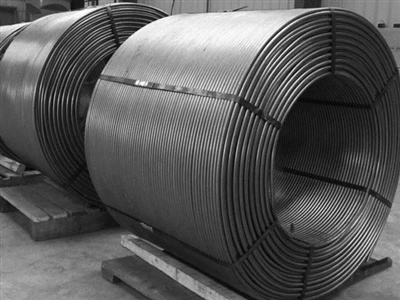
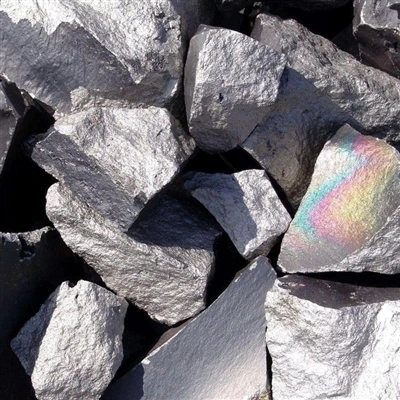
Silicon zirconium is a solid solution of zirconium or other metals. Zirconium has a very low thermal neutron absorption cross section, high hardness, ductility and corrosion resistance. The main use of silicon zirconium is in the field of nuclear technology, such as fuel rods in nuclear reactors. The typical composition of nuclear grade silicon zirconium is more than 95% zirconium and less than 2% tin, niobium, iron, chromium, nickel and other metals. These metals are added to improve mechanical properties and corrosion resistance. Silicon zirconium has good corrosion resistance, moderate mechanical properties, low atomic thermal neutron absorption cross section (zirconium is 0.18 target) in high temperature and high pressure water and steam at 300~400℃, and has good compatibility with nuclear fuel Therefore, it can be used as the core structure material (fuel cladding, pressure tube, bracket and channel tube) of water-cooled nuclear reactor, which is the main purpose of silicon zirconium.
Zirconium has excellent corrosion resistance to various acids (such as hydrochloric acid, nitric acid, sulfuric acid, and acetic acid), alkalis, and salts, so silicon zirconium is also used to make corrosion-resistant parts and pharmaceutical devices. Zirconium has a strong affinity with oxygen, nitrogen and other gases, so zirconium and silicon zirconium are also widely used as non-evaporable getter in the electric vacuum and bulb industry (see getter materials). Zirconium has excellent light-emitting properties, so it becomes a flash and firework material.