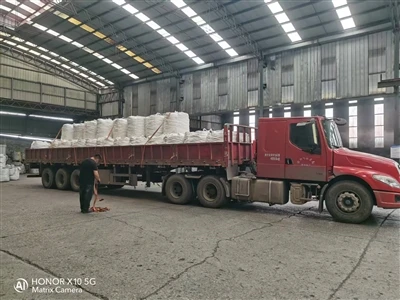
Silicon slag, a by-product of silicon metal and ferrosilicon production, has been widely used in various industries, including steel-making, cement production, and fertilizer production. It is a cheap and efficient raw material that can significantly improve the performance and quality of these products.
In the steel-making industry, silicon slag is used as a deoxidizer and desulfurizer agent. Adding a small amount of silicon slag into the molten iron can remove the impurities and improve the quality of the final product. Furthermore, silicon slag can also increase the tensile strength and elongation of steel, making it more durable and reliable.
In the cement production industry, silicon slag is used as an alternative to traditional limestone and clay. It can replace up to 30% of the raw materials used in the cement production process, reducing energy consumption and greenhouse gas emissions. Moreover, silicon slag can enhance the performance of concrete by improving its compressive strength and reducing its permeability.
In the fertilizer production industry, silicon slag is used as a silicon fertilizer. It can provide plants with the essential nutrient silicon, which is beneficial for their growth and development. Moreover, silicon slag can also increase the resistance of plants to environmental stress, such as drought and disease.
Overall, the use of silicon slag has significant advantages in various industries. It can not only improve product quality but also reduce production costs and environmental impact. Therefore, researchers and industries are exploring more innovative ways to use and apply silicon slag to create a sustainable future.