Since March, the new round of epidemic has affected 28 provinces and adversely affected the steel city to some extent, mainly in the following aspects:
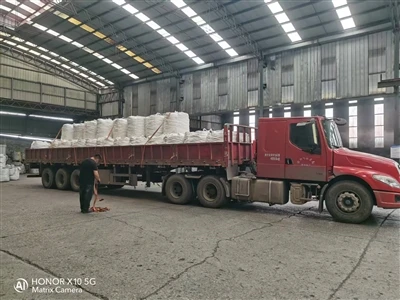
First, it affects the flow of raw materials and iron and steel resources. Due to the epidemic, the cycle of picking up goods from warehouses and transporting logistics has been extended, and the inflow of external resources has been difficult, including ports, terminals, warehouses and transportation routes in the worst-affected areas. For example, individual steel mills in Shandong have developed the epidemic upgrade and raw materials can not be timely replenishment of the stew plan, Shanghai, Zhejiang individual steel market warehouse stopped resources out of storage, individual steel mill orders reduced; Jilin Changchun construction steel market into a standstill, guangdong province scrap resource circulation blocked, processing enterprises in and out of goods is not smooth, the transaction was affected.
Second, freight increases. In some areas severely affected by the epidemic, it is difficult to find cars, drivers and rising oil prices, and transportation fleets are willing to raise prices. Northeast, Shandong, Henan, Jiangsu, Sichuan, Guizhou, Ningxia, Shanxi and other provinces of steel freight have risen 5 yuan ~ 30 yuan.
Third, downstream starts are affected, demand release slowdown. Many construction sites in Shenzhen, Shanghai, Tianjin, Changzhou, Jiangsu and other places have stopped work, and the construction progress has slowed down. Construction sites in other epidemic-related areas have adopted closed management measures, and all construction projects in Changchun, Jilin province and Shanghai have adopted closed management measures. According to industry statistics, as of March 15, a total of 78 projects in Shanghai are in shutdown state, shutdown time ranging from 2 to 14 days; Among the projects that have not been stopped, 44.44% of the project workers need to hold negative nucleic acid certificates for 48 hours, 18.52% of the project workers are too small, 22.22% of the project construction progress is too slow, and 37.04% of the project stock is too low. Although the market has a strong expectation that supply and demand will return to normal in the later stage, the severe drag of the epidemic on demand is obvious in the short term.
The consequences of these influences are twofold. On the one hand, the steel inventory slowed down, without the rapid increase in inventory in March 2020. Since March 3, inventories reached a relatively high level, still maintain a weekly downward trend, but steel mills have increased inventories in the short term. The latest data show that the total stock of the five major products is now 7.4 million tons lower than the same period in 2021 and 13.58 million tons lower than the same period in 2020. On the other hand, the market is less active, the average daily trading volume of construction steel dropped from more than 200,000 tons to the level of 120,000 tons, once affecting market confidence.
In general, this round of epidemic has a short impact on the steel market, with a small impact on the demand side and a small impact on the supply side. However, the current outbreak is much smaller than the initial outbreak in 2020. There is no panic in the market, and the understanding of the epidemic is much stronger than in 2020. As the Standing Committee of the Political Bureau of the CPC Central Committee held a meeting on March 17 to analyze the epidemic situation and make arrangements for strict epidemic prevention and control, the impact of the epidemic on steel cities and construction sites is far less than the same period in 2020, and will not pose a major challenge to supply and demand. Therefore, the main operating logic of the market is still in the macro positive policy of supply and demand change, will not cause pressure on steel prices, with the passage of time, delayed demand will be released, and then promote the positive operation of the steel market.