China's Advantages in Exporting Ferroalloy Raw Materials Amid the Current Global Landscape
In the context of the evolving international situation, China has emerged as a key player in the global ferroalloy market. Ferroalloys, which are essential raw materials for steelmaking and other industrial processes, are in high demand worldwide. China's position as a leading exporter of ferroalloys is underpinned by several strategic advantages, enabling it to maintain a competitive edge in the international market.
1. Abundant Resource Reserves
China is endowed with rich reserves of key minerals such as manganese, chromium, and silicon, which are critical for ferroalloy production. This natural resource advantage allows China to produce ferroalloys at a large scale, ensuring a stable and reliable supply for global markets. The country's well-developed mining infrastructure further supports efficient extraction and processing of these resources.
2. Advanced Production Technology
China has made significant investments in ferroalloy production technology, achieving high levels of efficiency and quality. Advanced smelting techniques and automation have enabled Chinese manufacturers to produce ferroalloys with consistent purity and performance, meeting the stringent requirements of international buyers. This technological edge enhances China's competitiveness in the global market.
3. Cost-Effective Manufacturing
Leveraging economies of scale and lower labor costs, China can produce ferroalloys at a relatively low cost. This cost advantage allows Chinese exporters to offer competitive pricing, making their products attractive to buyers in both developed and developing economies. Additionally, China's integrated supply chain reduces production and logistics costs, further strengthening its position.
4. Diverse Product Portfolio
China produces a wide range of ferroalloys, including ferromanganese, ferrochromium, ferrosilicon, and silicomanganese, catering to various industrial needs. This diversity enables China to serve multiple sectors, such as steelmaking, automotive, construction, and electronics, ensuring a broad and stable customer base.
5. Strategic Geographic Location
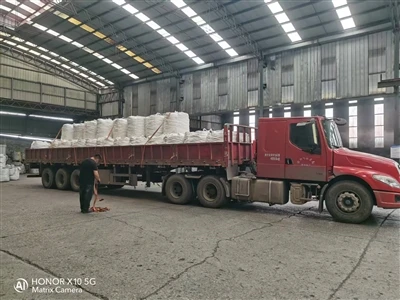
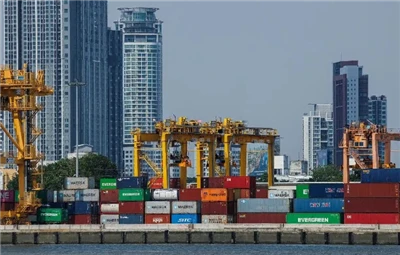
China's geographic location provides convenient access to major global markets, including Southeast Asia, Europe, and the Americas. Its well-developed transportation network, including ports, railways, and highways, facilitates efficient and timely delivery of ferroalloys to international customers.
6. Government Support and Policy Stability
The Chinese government has implemented policies to support the ferroalloy industry, including tax incentives, subsidies, and investments in infrastructure. These measures have fostered a favorable business environment, enabling the industry to thrive and expand its global footprint.
7. Growing Global Demand
The increasing demand for steel and other alloys in infrastructure development, automotive manufacturing, and renewable energy projects worldwide has created significant opportunities for Chinese ferroalloy exporters. As a reliable supplier, China is well-positioned to meet this growing demand.
8. Sustainability Initiatives
In response to global environmental concerns, China has been investing in greener production methods and energy-efficient technologies for ferroalloy manufacturing. These efforts align with international sustainability standards, enhancing the appeal of Chinese ferroalloys in environmentally conscious markets.
Conclusion
China's advantages in exporting ferroalloy raw materials are deeply rooted in its resource abundance, technological advancements, cost efficiency, and strategic policies. As the global demand for ferroalloys continues to rise, China is poised to strengthen its role as a leading supplier, contributing to the growth of industries worldwide while adapting to the challenges and opportunities of the current international landscape.